How Long Does Ceramic Coating Last and What Maintenance Does It Need
by Dylan Brown on Nov 13, 2025

Ceramic coatings are one of the most effective ways to protect a vehicle’s surface and preserve its shine for years. They create a tough, hydrophobic layer that resists UV rays, dirt, and contaminants while keeping the car’s paint looking clean and glossy. However, the true ceramic coating lifespan depends on product quality, proper application, and regular maintenance.
If you’re wondering how long a ceramic coated car can maintain its protective layer and what care it requires, this guide covers the essential factors that influence longevity and how to keep your coating performing at its best.
Understanding Ceramic Coating and Its Purpose
A ceramic coating is a liquid polymer that bonds chemically with a vehicle’s paint, forming a hard, transparent barrier. This layer provides superior protection against UV rays, water spots, and environmental elements such as bird droppings, road salt, and industrial fallout.
When applied correctly, the coating adds hydrophobic properties that repel water and contaminants. The result is easier washing, reduced staining, and a lasting high gloss finish.
Ceramic coatings work as a protective layer that helps maintain your car’s appearance, but the coating’s effectiveness is tied to consistent maintenance and cleaning practices.
What Determines the Lifespan of Ceramic Coatings
The lifespan of ceramic coatings can vary depending on several factors. Some coatings last a year or two, while high-quality ceramic coatings can provide long-lasting protection for up to five years or more.
Key factors that affect ceramic coating longevity include:
-
Product quality. Premium coatings offer stronger chemical bonding and superior resistance to fading, etching, and UV exposure.
-
Environmental conditions. Constant exposure to road salt, UV rays, or extreme temperatures shortens the coating’s life.
-
Application quality. Properly applying ceramic coating to a clean, decontaminated surface improves durability and coverage.
-
Maintenance habits. Regular washing and avoiding harsh chemicals keep the coating’s hydrophobic properties intact.
Ultimately, proper maintenance is what separates short-term results from long-term paint protection.
Common Myths About Ceramic Coating Longevity
Many car owners believe ceramic coatings are permanent or require no upkeep, but that’s not the case. Ceramic coatings provide strong, durable protection, yet they still need regular care to perform well.
Here are a few common misconceptions:
-
Myth: Ceramic coatings make your car scratch-proof.
-
Reality: They help resist minor scratches but cannot prevent deeper abrasions or rock chips.
-
-
Myth: You never have to wash your car again.
-
Reality: Regular washing is still necessary to remove dirt and environmental contaminants that can wear down the coating.
-
-
Myth: Ceramic coatings replace paint protection film.
-
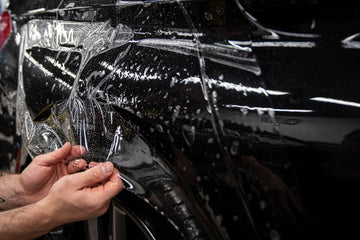
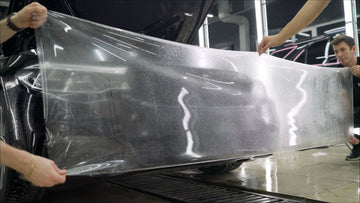
Reality: Ceramic coatings and paint protection film work best together. The film defends against physical damage, while the coating adds chemical resistance and shine.
-
Understanding these distinctions helps set realistic expectations for how ceramic coatings perform over time.
Proper Maintenance for a Ceramic Coated Vehicle
The longevity of your car’s ceramic coating depends heavily on how well you maintain it. Regular cleaning prevents buildup that can dull the coating or reduce its hydrophobic performance.
Follow these maintenance tips to extend your coating’s lifespan:
-
Wash your car regularly. Use a pH-neutral car shampoo and the two-bucket wash method to prevent swirl marks.
-
Avoid automatic car washes. Abrasive brushes and harsh detergents can damage the coating’s surface.
-
Dry with microfiber towels. Use high-quality microfiber towels to avoid scratching coated surfaces.
-
Remove contaminants promptly. Bird droppings, tree sap, and bug residue can eat through the coating if left untreated.
-
Perform periodic inspections. Look for reduced water beading or loss of slickness, which may indicate it’s time for reapplication or detailing.
These small maintenance steps make a significant difference in the longevity of your ceramic coated vehicle.
Avoiding Damage and Common Maintenance Mistakes
Even the strongest coatings can fail prematurely if exposed to the wrong products or conditions. To preserve the coating’s integrity, it’s important to avoid harsh chemicals or abrasive cleaners. They strip away the hydrophobic layer and weaken the coating’s bond.
Industrial fallout or road salt buildup can also damage strong coatings as frequent exposure without washing can erode the protective layer. Don't use abrasive brushes or sponges either and opt instead for soft wash mitts to protect the car’s surface. Even then, be careful to dry your car properly as well. Improper drying and allowing water to air dry can lead to mineral deposits or water spots that dull the finish.
Choosing gentle cleaning tools and products designed for coated vehicles keeps the protective properties strong and consistent.
How and When to Reapply Ceramic Coating
Over time, the protective shield provided by a ceramic coating will gradually wear down. Knowing when to reapply ceramic coating helps maintain optimal protection and shine.
Signs it may be time for reapplication include:
-
Reduced water beading or sheeting.
-
A dull or uneven finish.
-
Increased buildup of dirt or contaminants.
Reapplying ceramic coating restores the hydrophobic layer and rejuvenates the high gloss finish. Professional reapplication also corrects minor defects that develop over time, keeping your car’s surface protected and looking new.
For most ceramic coatings, professional reapplication is recommended every few years, depending on driving habits and environmental exposure.
Long-Term Benefits of Regular Maintenance
When properly maintained, a ceramic coated car retains its glossy appearance and protective properties for several years. Regular washing, gentle cleaning, and timely inspections preserve both the coating and the car’s underlying paint.
Consistent maintenance also helps prevent oxidation, fading, and etching caused by UV rays or contaminants. This proactive care provides long-term pain protection, simplified cleaning, and prolonged protection and resale value.
With proper maintenance, the lifespan of ceramic coatings extends significantly, making them a cost-effective investment in your vehicle’s appearance and durability.
Final Thoughts
The lifespan of a ceramic coating depends on several factors, including the quality of the product, environmental exposure, and the owner’s maintenance habits. While high-quality ceramic coatings offer long-lasting protection, regular washing and proper care are what keep the coating performing at its best.
Avoiding harsh chemicals, washing with pH-neutral products, and addressing contaminants promptly all contribute to the longevity of your ceramic protection. With routine cleaning and professional inspections, your car’s ceramic coating continues to deliver extended protection, high gloss, and the long-term durability your vehicle deserves.
Frequently Asked Questions
How long does ceramic coating really last on a vehicle’s surface?
The ceramic coating lifespan depends on several factors, including coating quality, environmental elements, and vehicle maintenance habits. Most high-quality ceramic coatings can last anywhere from two to five years. With proper routine maintenance, including gentle washing and protection from extreme temperatures, a ceramic coated vehicle can maintain its protective layer and gloss for much longer.
What type of maintenance keeps ceramic coatings performing their best?
Consistent ceramic coating maintenance is key to preserving the coating’s integrity. Regular washing with pH neutral shampoo, avoiding automatic car washes, and removing environmental contaminants promptly all contribute to long-term performance. Using microfiber towels and safe drying techniques prevents scratches on coated surfaces while maintaining the coating’s hydrophobic properties.
Can environmental factors affect the protective qualities of a ceramic coat?
Yes. Environmental factors such as road salt, UV exposure, and industrial fallout can gradually reduce a coating’s protective benefits. Frequent contact with tree sap or bird droppings can also harm vehicle’s paint if not cleaned quickly. Routine vehicle maintenance, including washing and inspection, helps counteract how environmental elements influence coating durability.
When should I consider ceramic coating reapplication?
Ceramic coating reapplication may be needed if you notice reduced water beading, a dull finish, or more contamination on the car’s paint. These signs mean the coating’s hydrophobic properties are wearing down. Professional ceramic coating applications restore the layer’s strength and renew its ability to offer extended protection for vehicle’s exterior.
How do I safely remove embedded contaminants from coated surfaces?
To remove embedded contaminants such as tree sap or industrial residue, use a clay bar designed for coated vehicles. This process should be done carefully to avoid damaging the protective layer. Follow up with a wash using pH neutral products to restore smoothness without stripping the ceramic coat.
Why is regular washing so important for ceramic coated cars?
Regular cleaning keeps the protective layer clear of dirt, mineral deposits, and other particles that can weaken the coating over time. Routine maintenance helps maintain the coating’s hydrophobic properties and glossy appearance while preserving the vehicle’s paint. With consistent care and avoidance of harsh cleaning methods, ceramic coatings continue to provide long-term protection for the vehicle’s exterior.